
Nike Foundation: Zathu Media Brand
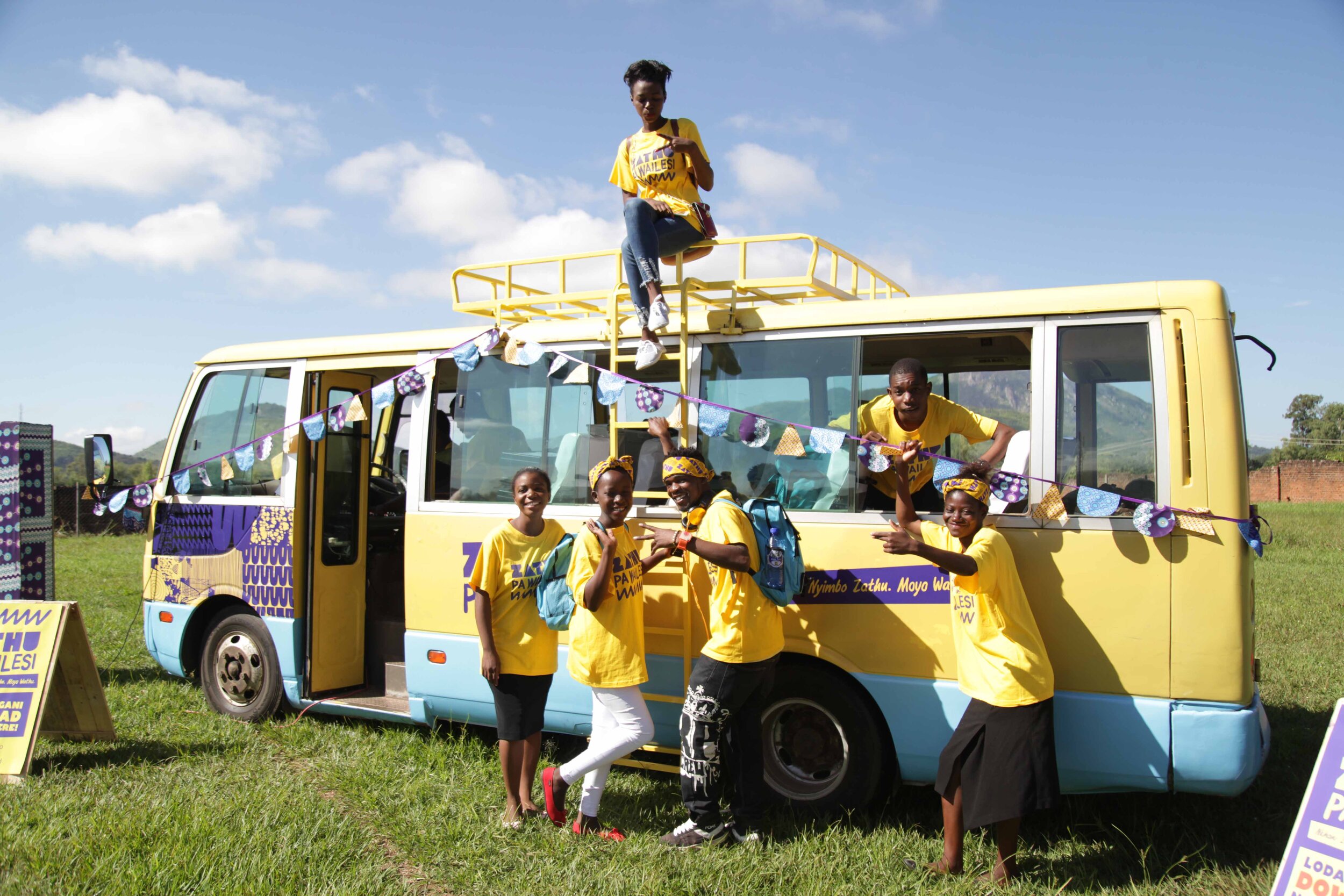
Zathu case study video
© credit: Girl Effect (girleffect.org)
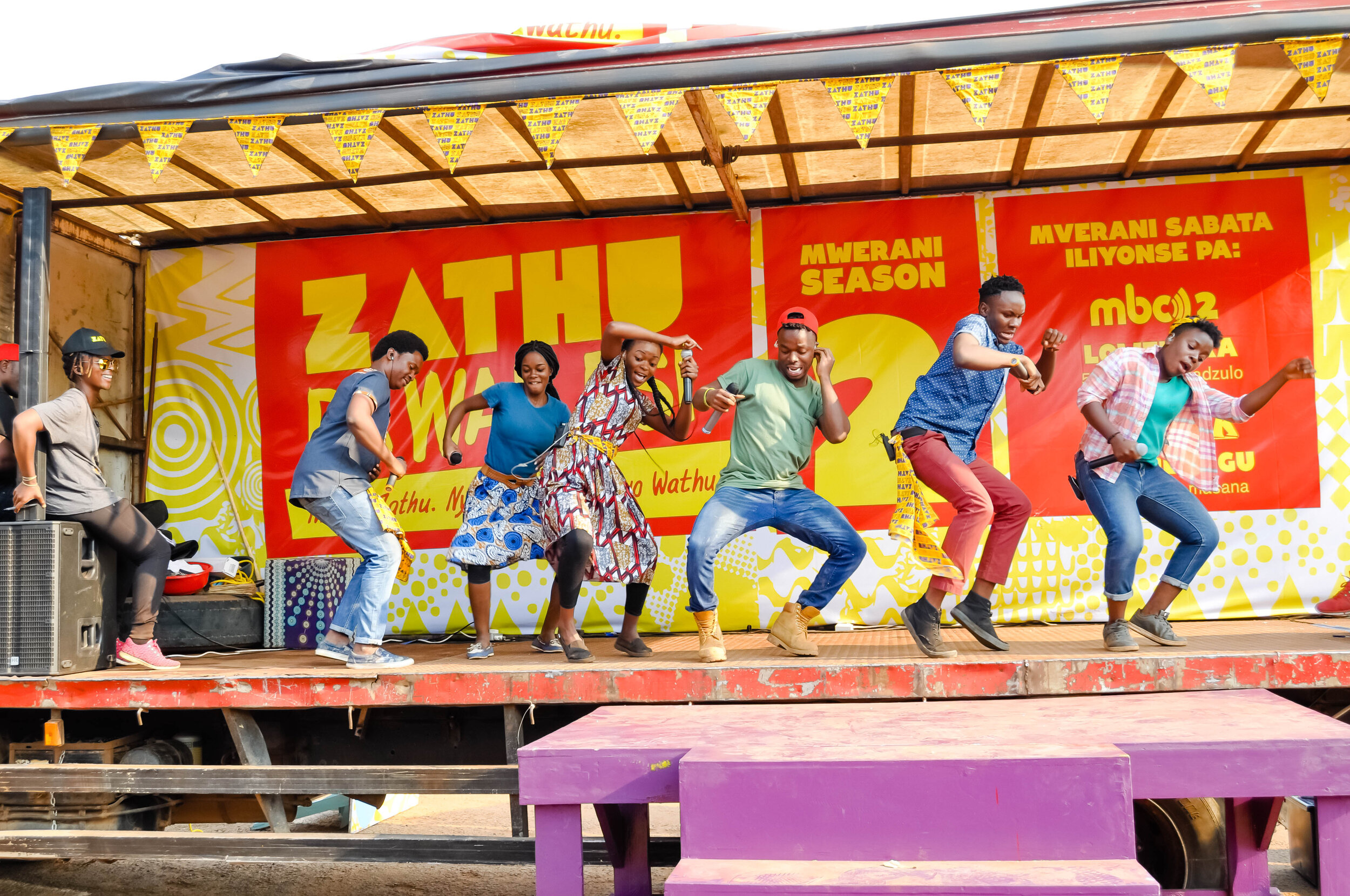
Narrative Music Video 1: If things could be like this
Theme: Celebrating platonic friendship amongst girls and boys
© credit: Girl Effect (girleffect.org)
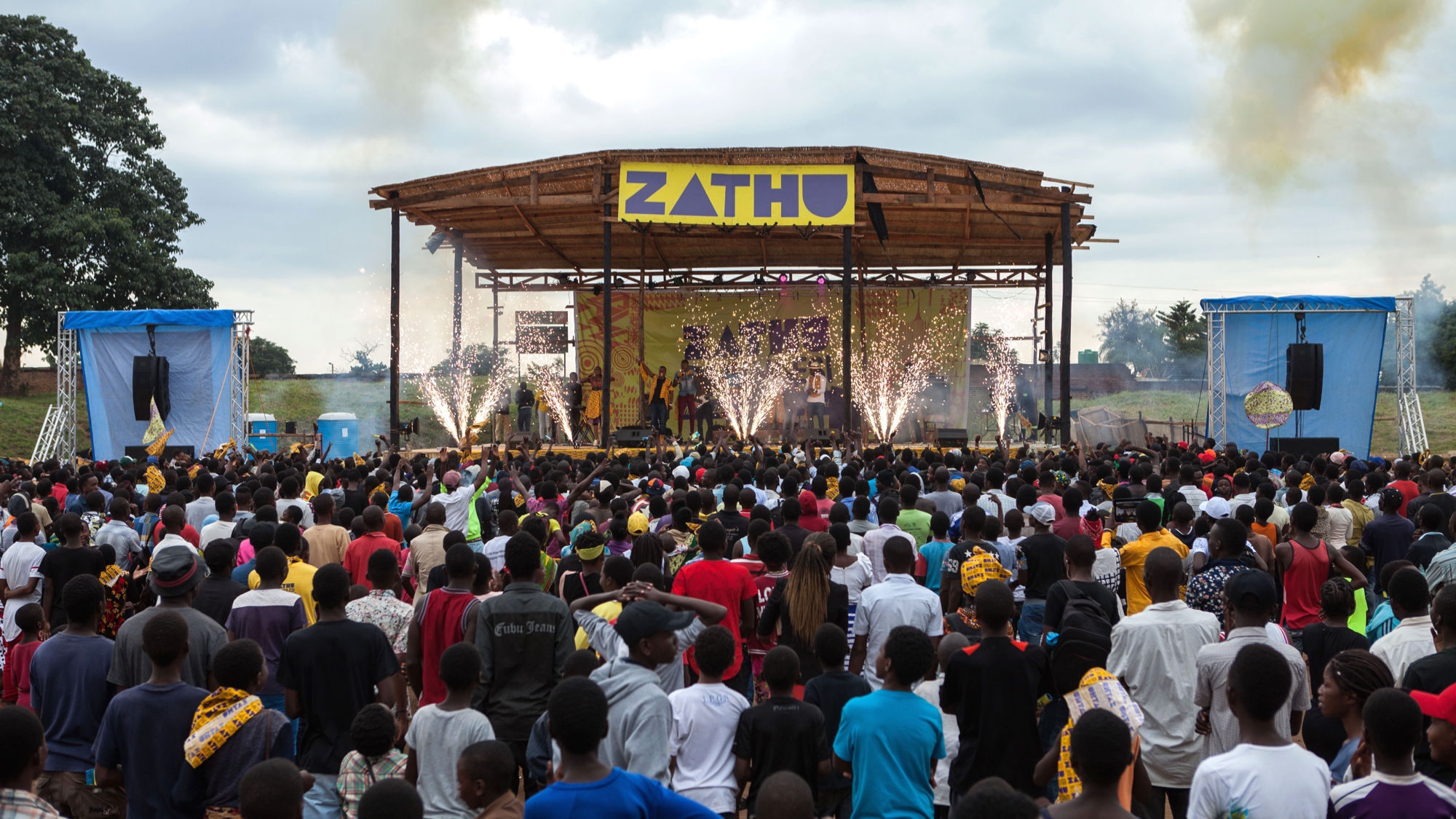
Narrative Music Video 2: We won’t give up
Theme: Challenging boy-girl stereotypes in a positive and upbeat fashion
© credit: Girl Effect (girleffect.org)
Narrative Music Video 3: Be you
Theme: Exploring the concept of self-expression and finding your own way in life as you grow up and start having to make your own choices
© credit: Girl Effect (girleffect.org)
Narrative Music Video 4: Friendship
Theme: To depict the bond that develops as a result of shared experiences.
© credit: Girl Effect (girleffect.org)
CASE STUDY
The context:
Malawi is both beautiful and culturally diverse and steeped in inequality and gender divides. Social norms dictate that girls and boys should be kept apart and friendships are discouraged. As a result girls in Malawi are taught to avoid boys. They also face early marriage, teenage pregnancy, gender-based discrimination and a disproportionally high risk of HIV. Girls between the ages of 15 and 17 are nine times more likely to contract HIV than boys the same age*.
In 2017, alongside PEPFAR Dreams (The U.S. President's Emergency Plan for AIDS Relief) and GAVI (Global Alliance for Vaccines and Immunization), Girl Effect saw the opportunity to use the power of mass-media and brand storytelling to tackle the social norms that reinforce gender inequality and lead to such high levels of HIV and AIDS.
The task:
Girl Effect’s core purpose is to create a new normal for girls – a world in which girls can reach their full potential and are not held back by themselves, their families or their communities. A new normal is reached when girls have a voice, are valued and can make connections on their own terms:
Voice: Girls have the confidence, the knowledge and the skills to speak up in the private and public spheres. Girls that express their opinions and make decisions are seen as respectful and are given the space to do so by others.
Value: Girls believe they can achieve great things in life beyond their reproductive role and their potential is valued and nourished by others.
Connection: Girls feel they can engage with boys and create friendships. Boys see girls as equal partners and support them.
The challenge:
Messages of ‘girl empowerment’ were everywhere in Malawi, on government’s billboards, in schools and newspapers. But the narrative of empowerment was empty. It was focused on assets such as education and jobs, and lacked a deeper connection to girls having the confidence to make their own decisions and to society believing in their ability to do so. The reality for girls was vastly different from these public messages. Girls and their community continued to see girls as weak, easily abused, less valuable than boys and lacking the ability to lead or come up with ideas. As for boys, because the public attention was excessively focused on girls, they felt ostracised. They believed that girls were moving forward at their own expense.
Our key challenge was to reframe the value of girls without exacerbating further these existing tensions - i.e. girls’ empowerment being commoditised and girls being resented by boys.
The research and insights:
In spite of girls and boys having being raised apart all their lives, we uncovered a nascent but growing aspiration for collective involvement and mutual support between girls and boys. Our research revealed that this desire stemmed from the deep-seated belief that together they could achieve more than when apart.
The strategy & proposition:
To reframe the value of girls we had to rally boys to their cause and focus on their shared aspirations. Rather than targeting our efforts solely on girls and exacerbating girls and boys' divisions even further, we decided to unite girls and boys into one generation **. And to make this idea culturally acceptable, we would highlight that new opportunities arise when young people come together.
Our brand proposition became: Strength in Unity.
Through our brand, we would showcase that girls and boys can and do have constructive and positive relationships as friends.
We would fight the deep-seated belief that girls aren’t as valuable as boys.
We would provide girls and boys with the tools to share ideas and learn from each other’s skills in order to forge a better, more equal Malawi.
The creative work:
Our cultural research revealed that the most effective means to sustainably change how girls were portrayed in culture were music and drama. We created a music band and a drama made of teenage girls and boys who would come together to create the new sound of Malawi, both literally and metaphorically.
Stemming from our research insights, ee built each of the band’s characters on distinct cultural archetypes; through their personal stories and interactions we would challenge stereotypical gender roles, portray constructive relationships between girls and boys, dispel common myths around HIV and its transmission and showcase how these young people navigate the weight of traditions and family expectations, alongside their own dreams.
After a series of in-country co-creation workshops with our target audience and our creative partners, we decided to name our brand Zathu, which means “ours”. The name Zathu directly spoke to the brand positioning (strength in unity), was culturally resonant and viewed as youthful, positive and desirable.
Zathu consisted of multiple media products, with each of them playing a specific role in the brand ecosystem:
To raise awareness of our brand we created a series of narrative music videos that would introduce our music band.
To deliver our core messaging and provide frequent interactions with our content, we launched a weekly radio show made of a drama following the story of our music band, and a talk-show deepening the issues surfaced in our drama.
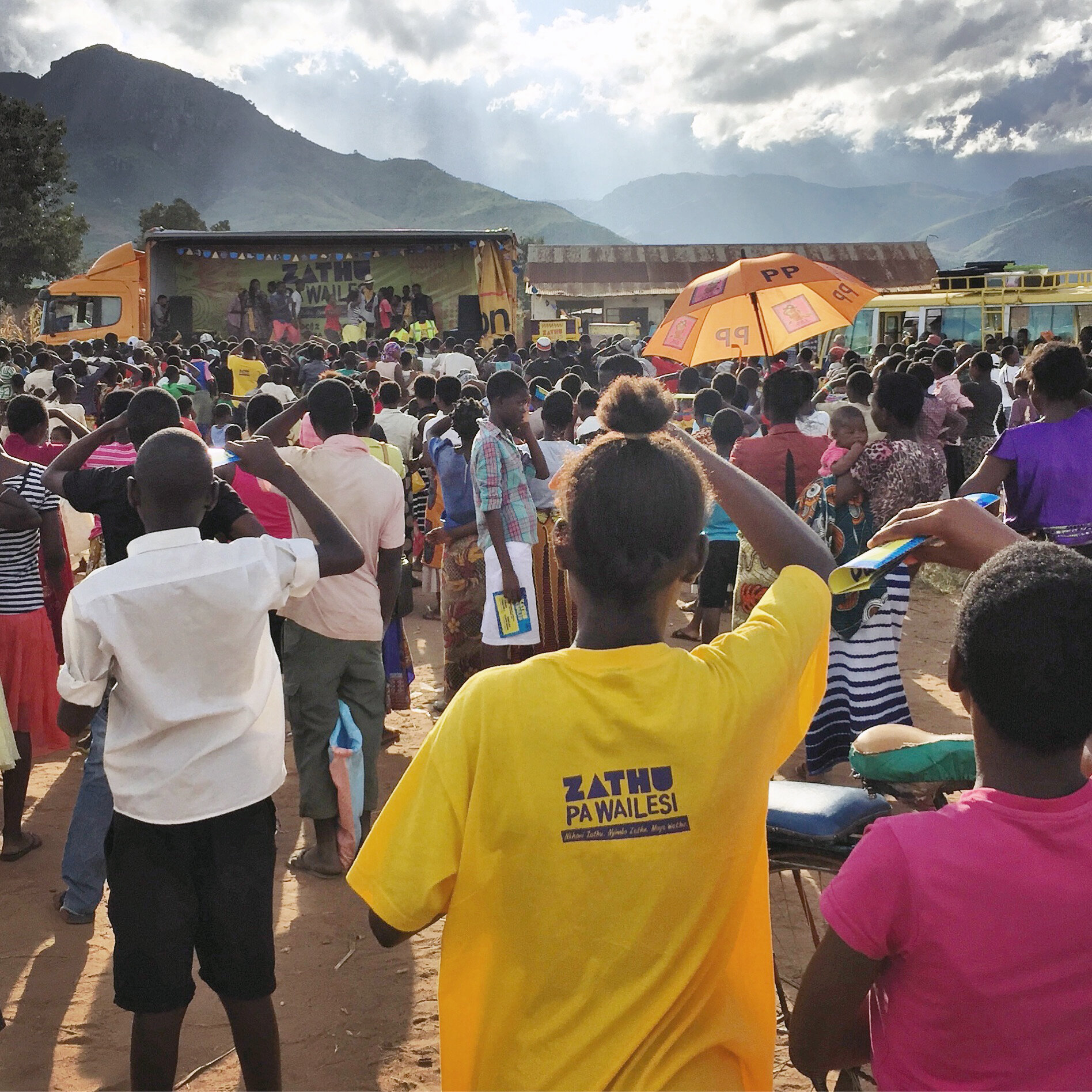
To help our audience internalise our messages and discuss them further, we brought girls and boys together through physical club networks.
The results:
Zathu reached 2/3rd of the nation (6.7m) within 6 months of launch.
45% of the nation has consumed Zathu (4.5m) in 2018.
86% of people who listened to Zathu agreed that the brand has taught them females should be treated equally to males.
91% said Zathu helped make them feel more in control of the issues that affect their lives.
93% of girls and 89% of boys said Zathu has helped them improve their friendships with the opposite sex.
(Source: 2018 Zathu Brand Surveys)
Awards:
* Source: PEPFAR
** It was a first for Girl Effect which until now had solely focused on girls.
Credit:
Girl Effect: Brand Strategy Lead: Lorya Roblin; Senior Brand Portfolio Director: Matt Godfrey; Country Director: James Kennedy; Senior Managers: Khanyiwe Shawa, Zilanie Gondwe & Thembi Thadzi; Strategy Manager: Abbie Wilson; Gender Lead: Olga de Baggio; Gender Manager: Talimba Chisala Bandawe; Producers: Fran Jameson, Jen Thomas; Copywriters: Lily Banda, Takondwa Phiri, Thoko Kachimera, Luke Manja & David Allain; Graphic designer: Sara El Dhabi.
Agencies: Lake of Stars (Malawi); Roofhouse Ogilvy (Malawi); Praekelt (South Africa).
Core funders: Nike Foundation & GAVI.