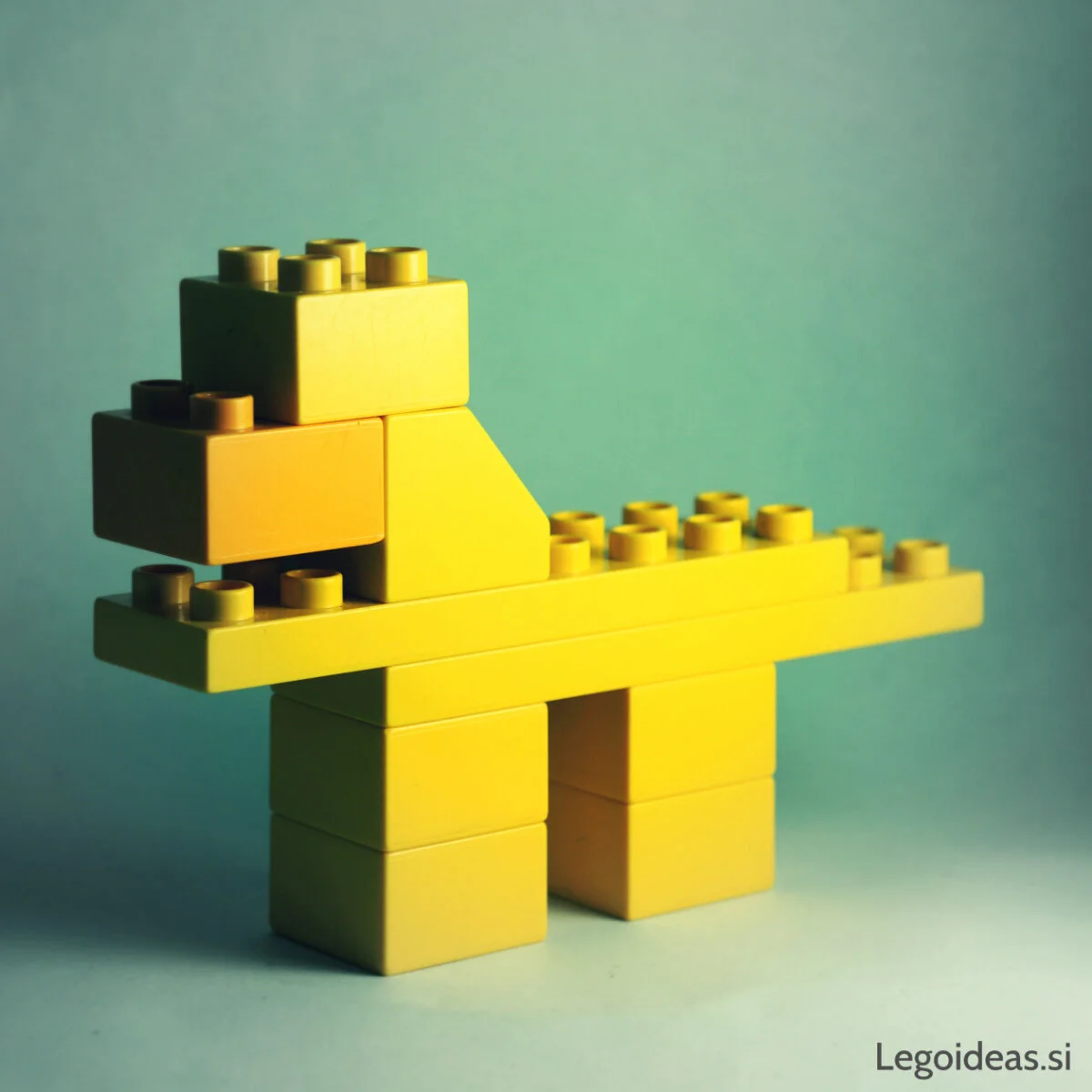
LEGO
LEGO is the world's largest toy manufacturer.
Duplo is a product range of LEGO designed for children from 1 to 5 y.o.
HOW WE RESHAPED DUPLO’S GLOBAL SOCIAL MEDIA STRATEGY TO STRENGTHEN AWARENESS AND PREFERENCE
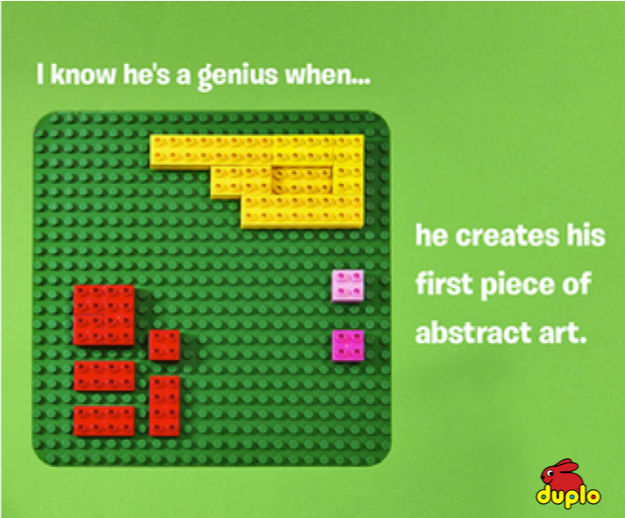
Content post example of how duplo celebrates a child’s development milestone
@ credit: We Are Social and duplo
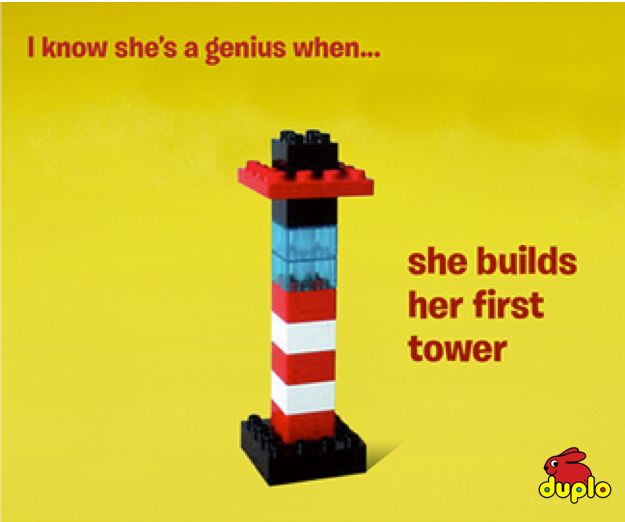
Content post example of how duplo celebrates a child’s development milestone
@ credit: We Are Social and duplo
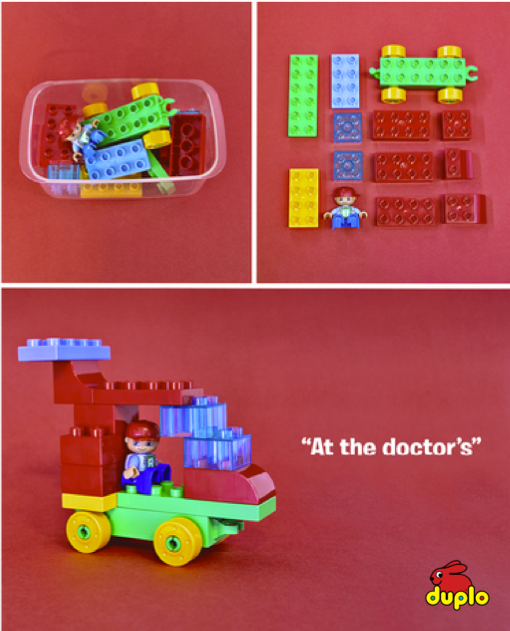
Content post example of how to entertain a child on-the-go
@ credit: We Are Social and duplo
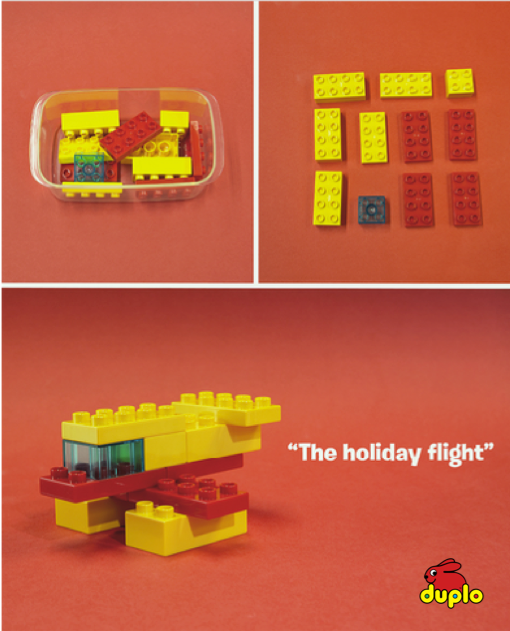
Content post example of how to entertain a child on-the-go
@ credit: We Are Social and duplo
CASE STUDY
The context:
As part of We Are Social agency, I helped reshape duplo’s social communication strategy across duplo’s key markets: Germany, Austria, Switzerland, France, UK and the US.
The challenge:
Duplo’s consumers had a limited understanding of its full product offer, particularly in growth markets (US, UK & France) where mothers were not sure about the value of duplo for their children and saw it as just a stacking toy. Besides, they also felt pressured to be creative when playing with duplo (and construction toys in general).
From a social media communications perspective, in our growth markets (US, UK & France), mums did not have a relationship with duplo and therefore had no expectation. And in our established markets (Germany, Switzerland and Austria), they thought they knew everything there was to know about duplo and didn’t expect to learn anything new from the brand, on social media.
The task:
Create a relevant editorial strategy for duplo on social media that would:
(1) Raise awareness on what makes duplo a leader in the toys category;
(2) Drive a deeper connection with mums.
The strategy:
To identify the role that duplo could play on social media, we analysed thousands of online conversations related to a child’s development amongst mothers, across duplo’s established and growth markets. We uncovered the cultural specificities related to motherhood and children’s development in each country. For instance, for American mothers, the entertainment of their child was as important as their learning and development, whereas German mothers associated a child’s development with one’s ability to learn basic skills. Focusing one’s child’s attention was much more important for them than the need for entertainment. As for French mothers, their relationship to their children’s toys was deeply personal and emotional, bringing them back into their own childhood. For them, a toy would be of value if it connected with who they were as children.
What was common amongst all mums, especially first time mums, was a deep-seated insecurity about their knowledge and ability in doing what was best for their children: “Am I doing enough for my child? Is he developing as fast as the other kids? Am I giving him/her the right toys to learn and develop? Am I a good mum?”
This insecurity explained mums’ endless search for online inspiration and validation from other mums. What our social media conversation analysis revealed was that mums, especially first-time mums, would never stop researching new sources of information (e.g.: mums’ testimonials, product reviews, latest parenting trends etc.) to get the assurance they were doing the right thing for their child. Mums would research not only how to encourage one’s child’s development but also how to feed and expand a child’s imagination. Mums would proudly share all the amazing things their children were capable of doing (anything verbal, physical, and creative) and would expect their community to share their joy. The need to show off one’s child’s milestone mattered to mums as it reflected on how well they were doing as mums.
From this analysis, three key insight territories emerged: stimulating one’s child development, enriching mothers’ and children’s bond and fostering one’s child imagination. The territory that would allow duplo to create a meaningful and differentiated positioning while answering mum’s deepest insecurity was the one around fostering one’s child imagination. Indeed, across all markets, mums shared the belief that expressing one’s child natural imagination was utmost critical to his/ her development but they felt deeply insecure about nurturing this skill.
Therefore, the social value proposition of duplo became unlocking the power of imagination.
The power of imagination wasn’t just about sparking children’s imagination but also mothers’.
The duplo bricks would offer a limitless source of creative play, allowing children to build anything they could imagine.
The editorial work:
We brought to life duplo’s social value proposition - unlocking the power of imagination - through three main content streams and across multiple social platforms (Facebook, Instagram, YouTube and Twitter)*:
Sparks of Inspiration: Tips and tools to spark your child’s imagination with duplo.
We used the duplo’s Facebook page to keep mums in-the-know with daily tips (product and child’s focused).
On Instagram, we visually portrayed motherhood key milestones.
On Twitter, we provided bite-size information from duplo and child’s development.
Fridge-worthy creations: Ways for Mum to share creations that make her proud every day.
We turned the duplo’s Facebook page into the modern-day fridge of mums’ child’s amazing creations.
We turned duplo’s YouTube channel into a library of memories and a catalogue of educational videos.
We used Twitter as mum’s virtual coffee meet-up.
Mums united: Offer Mum the expert information she needs to develop her child’s overall development from duplo and beyond.
We enabled mums to discuss motherhood related topics real-time with experts and key opinion leader mums (via Google HAOR and Helpouts).
On Facebook, we cheered mums on a day-to-day basis and enabled like-minded mums to connect on and offline (e.g.: duplo play date).
On Instagram, we talked to mum’s wider communities (from pregnancy onward) to celebrate them as women and not just as mothers.
We adjusted duplo’s content weighting to cater to the different needs of our markets. In growth markets where mums didn’t see the full value of duplo, we produced more ’educative’ content (Sparks of Inspiration); whereas in established markets where the goal was to deepen our bond with mums, we delivered more ‘emotional’ content (Fridge-worthy creations and Mums United).
Each social platform we invested filled a specific strategic role:
On Facebook, the aim was to build a community around mums’ desire to unlock one’s child imagination. We showcased the brand’s expertise, through useful content while creating a deeper bond with mums through emotional content.
On Instagram, we used a first-person, in-the-moment, visual microblogging style to bring the brand personality to life.
We used YouTube to create a content repository for all things children’s development related. We also made the most of Google’s interactive features (Hangout and Helpout) to allow mums to share and connect.
On Twitter, we hijacked trends and lead conversations to leverage the ‘timely’ aspect of children’s development.
* The choice of social media platforms was the result of our media research analysis.
Credit:
Agency (We Are Social London): Senior Strategist: Lorya Roblin; Senior Account Director: Tarryn Blackwood; Account Executive: Grace Williams; Editor: Rhiain Temple; Head of Editorial: Charlie Cottrell.
Client: Global Social Media Director, LEGO Group: Eleni Karamalegkou; Senior Global Director of Digital, LEGO Group: Lars Silberbauer.